

There was a time when search optimization meant one thing: write the content, target the keyword, and wait for Google to notice. That playbook still works, but it's no longer the whole story. People now ask chatbots for recommendations the same way they'd ask a knowledgeable friend, and the response they get might mention five competitors before it ever mentions you or skip you entirely.
Table of Contents
That's the gap this newer discipline is meant to close: shaping your content so it can be found, understood, and quoted when a generative tool builds an answer. Some call it Generative Engine Optimization, or GEO. Whatever the label, it's becoming a core part of any serious digital strategy, not a side project.
What Makes This Different From Traditional SEO
This approach is about making your content easy for a language-based tool to retrieve, interpret, and cite. Traditional optimization chases a ranking position. This chases inclusion inside the answer itself, which can happen with or without a visit to your site.
The practical difference shows up in how you write. Older methods often reward long, narrative content built around a target phrase. This newer approach rewards clarity: short, complete thoughts that could be lifted out of your page and dropped into a generated response without losing meaning. Write a paragraph that only makes sense if someone has read the three before it, and a system is far less likely to pull from it.
How These Platforms Actually Read Your Content
Each tool works a little differently, but they share a habit: they process content in chunks, not top to bottom like a human reader. Some platforms actively credit their sources and show live links, which makes them more transparent to work with. Others lean heavily on an existing search index. Still others blend trained knowledge with fresh browsing when that feature is turned on.
What ties them together is a preference for predictable structure. A heading phrased as a real question, followed immediately by a direct answer, gives the system an easy chunk to grab. A glossary-style definition, one clean sentence explaining a term, tends to get reused often, because it works whether or not the surrounding paragraph comes along with it.
Core Strategies Worth Prioritizing
Write self-contained sections. Treat every heading and the paragraph beneath it as something that has to stand on its own. If a section only makes sense with context from three paragraphs earlier, rewrite it so it doesn't need that support.
Build topic clusters instead of scattered posts. One pillar page can't cover everything, and it shouldn't try to. Support it with narrower, connected articles that link back to it. That structure signals depth the same way it signals depth to a human reader.
Mirror how people actually ask questions. Headings like "What Is Local Search Optimization?" or "How Does Structured Data Help a Generated Answer?" match real conversational queries far better than vague labels like "Benefits" or "Overview."
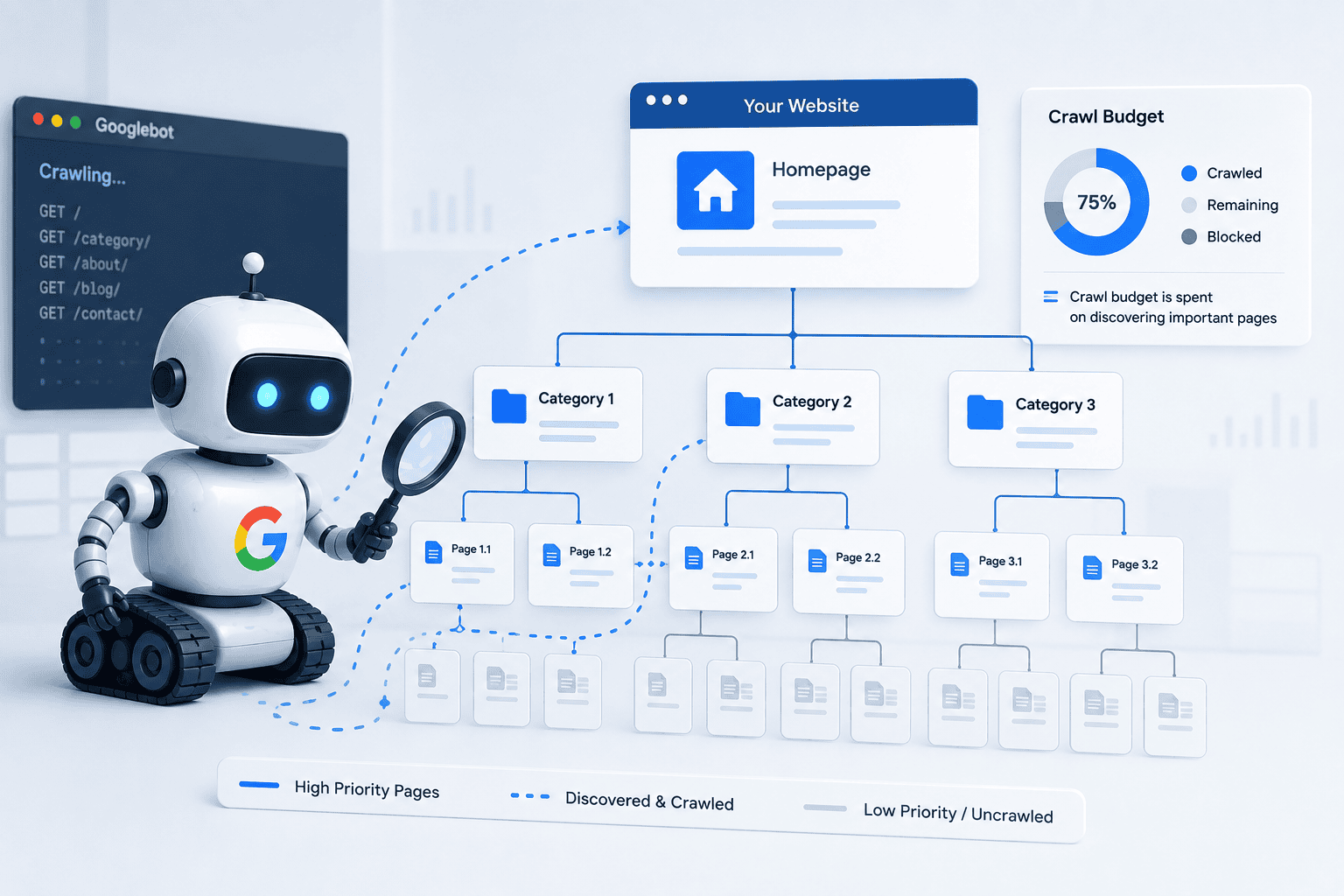
Don't skip the technical foundation. None of this matters if a crawler can't reach your pages in the first place. Fast load times, clean HTML, and accessible site architecture remain the base everything else is built on — often the starting point for a technical audit, and closely tied to a broader website performance review.
Add structured data that actually matches your content. Schema markup gives these systems explicit context. Article, FAQPage, and Organization schema cover most of what a typical business page needs — a detail we usually walk through during on-page SEO consulting. Just don't mark up content that isn't really there.
Publish something that didn't already exist. A generative tool can summarize what's already online, but it can't invent new information. Original data, a real case study, or a specific figure from your own work becomes a natural source for citation precisely because it isn't duplicated anywhere else, the same principle behind our content strategy planning work with clients.
Think about local, conversational searches too. "Best plumber near me" is increasingly a question people ask a chat assistant, not just a map tool. Location-specific language in your copy, FAQs, and schema helps you show up in that kind of response, part of what a local visibility program typically covers.
Earn mentions beyond your own website. Forums, review platforms, and industry publications matter more than they used to. An unlinked mention in a trusted space still helps a system associate your name with your specialty, which is part of why online reputation management has become tied to search visibility rather than separate from it.
Keep content current, and mean it. Outdated pricing or a "best tools" list from two years ago erodes trust with readers and automated systems alike. Revisit your highest-value pages on a real schedule, something we typically flag during a content audit and refresh engagement.
Common Mistakes That Undercut This Work
- Writing narrative content where no single paragraph could stand alone as an answer
- Headings that describe a section vaguely instead of asking the question it answers
- Chasing visibility in generated answers while ignoring basic crawlability
- Publishing several near-duplicate pages competing for the same topic
- Treating a content refresh as changing a date instead of the substance
Traditional SEO vs. This Newer Approach
|
Factor |
Traditional SEO |
Generative-Answer Optimization |
|
Success metric |
Rankings, click-through traffic |
Citation frequency inside generated answers |
|
Content shape |
Narrative, keyword-targeted |
Self-contained, question-and-answer |
|
Authority signal |
Backlinks, domain trust |
Mentions, entity recognition |
|
Update cadence |
Regular publishing |
Fewer updates, higher accuracy |
Why Work With a Team That Measures What Matters
Structure and schema only go so far without a partner who ties the work back to actual outcomes. Auxilium Technology operates as a results-driven digital marketing company, which means every recommendation in this guide, from self-contained content to structured data to off-site mentions, gets measured against real visibility and lead generation, not just activity for its own sake. That's the mindset behind how we approach generative search readiness: fewer vanity changes, more decisions backed by what's actually moving the needle for a given business.
Where This Is Headed
Expect natural-language formatting to matter even more over time - guides that read like a conversation, headings that sound like real questions. Structured data standards are still evolving too; some sites are experimenting with a dedicated roadmap file that tells crawlers which pages matter most. It's worth testing, though opinions are still split on how much it actually moves the needle.
The platforms themselves keep shifting, which is worth a look in our blog on how AI is reshaping search and lead generation if you're deciding where to focus first. This is shaping up to be its own specialty, much like technical SEO or link-building services became specialties of their own.
How We Help Businesses Prepare
Getting ready for this shift rests on the same fundamentals that have always mattered: real customer questions, solid structure, and content that holds up to scrutiny. Auxilium Technology supports that groundwork through a structured content approach and a look at how similar work has paid off in our client case studies. If you'd like a closer look at where your own site stands today, reach out to our team.
Key Takeaways
- The goal is a mention inside a generated answer, not just a click from a results page.
- Self-contained paragraphs that make sense out of context get reused more than flowing narrative prose.
- Natural-language headings that mirror real questions outperform clever, keyword-stuffed ones.
- Local, "near me" style queries are increasingly answered by conversational assistants, not just map apps.
- Mentions on forums and review sites carry real weight, even without a link attached.
- This work builds on traditional search optimization. It doesn't replace it.
Frequently Asked Questions
What's the difference between this and GEO?
They largely describe the same goal from slightly different angles: getting your content cited or recommended inside a generated response.
Do I need to rewrite all my old content?
No. Start with your highest-value pages and rework the structure there first.
Is this relevant for local businesses?
Yes. Location-aware queries are increasingly answered by conversational assistants, not just search engines.
Does schema guarantee a citation?
No. It removes ambiguity and makes your content easier to interpret, but selection still depends on clarity and trust.
How do I know if I'm already being mentioned?
Ask a few different assistants a handful of questions related to your industry and see whether your name comes up.
Conclusion
This isn't a trend to bolt onto your existing strategy. It's the natural next layer, built for a search landscape where automated systems increasingly decide what gets surfaced. Start with structure, back your claims with something real, and give these systems a clear reason to trust and reference you. The sites that take this seriously now will still be visible once generative search stops being the exception and becomes the default.