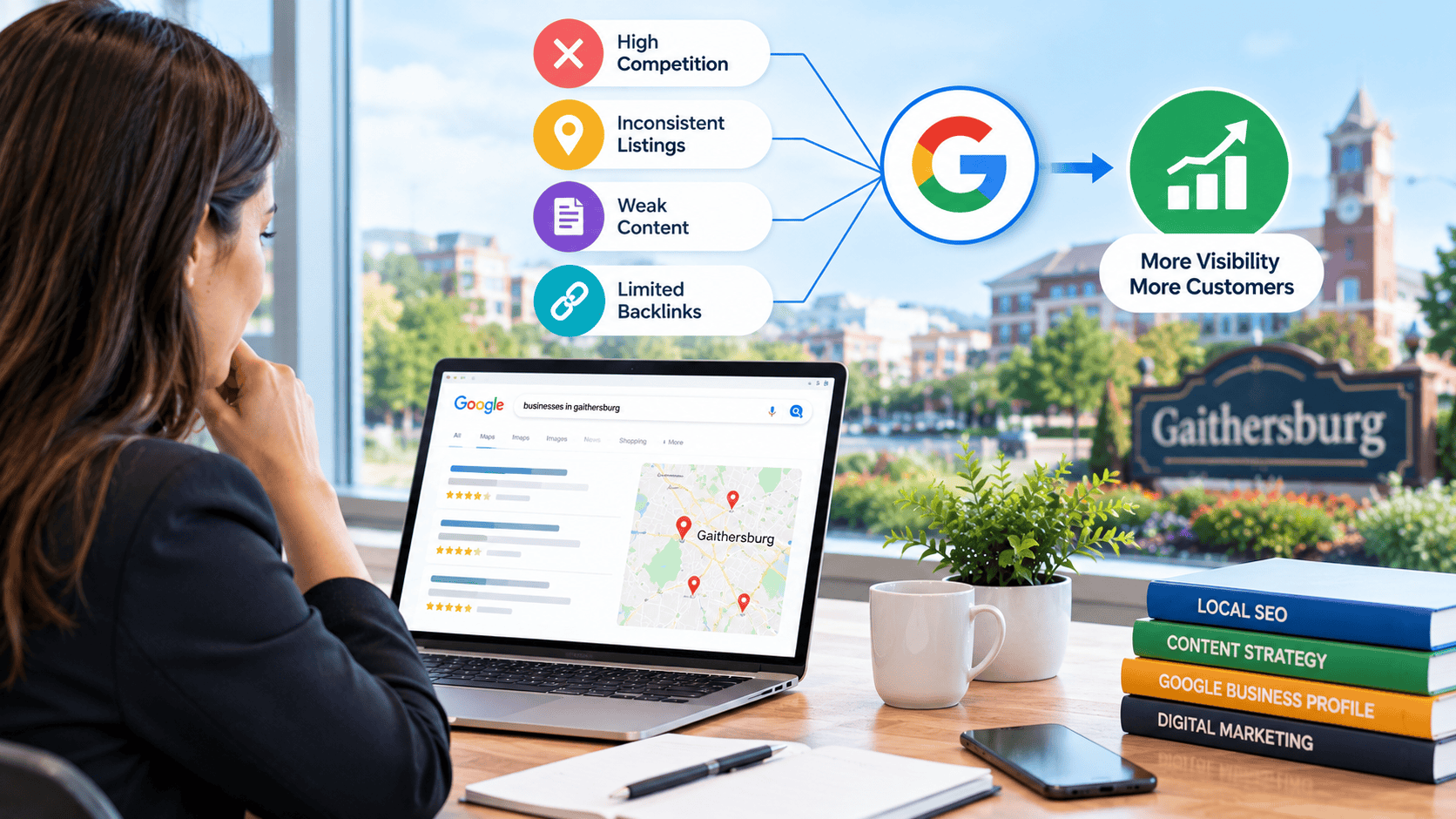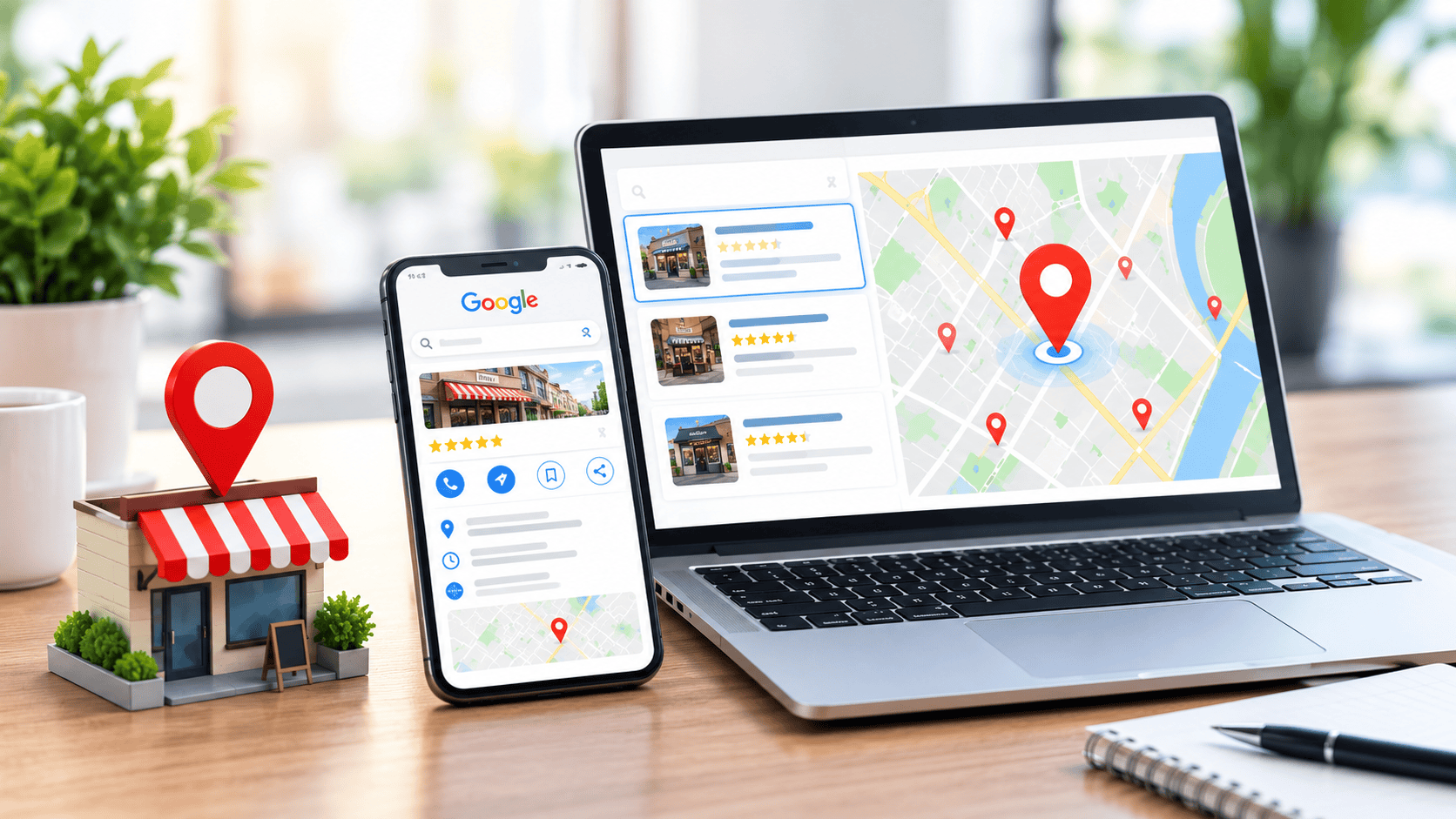

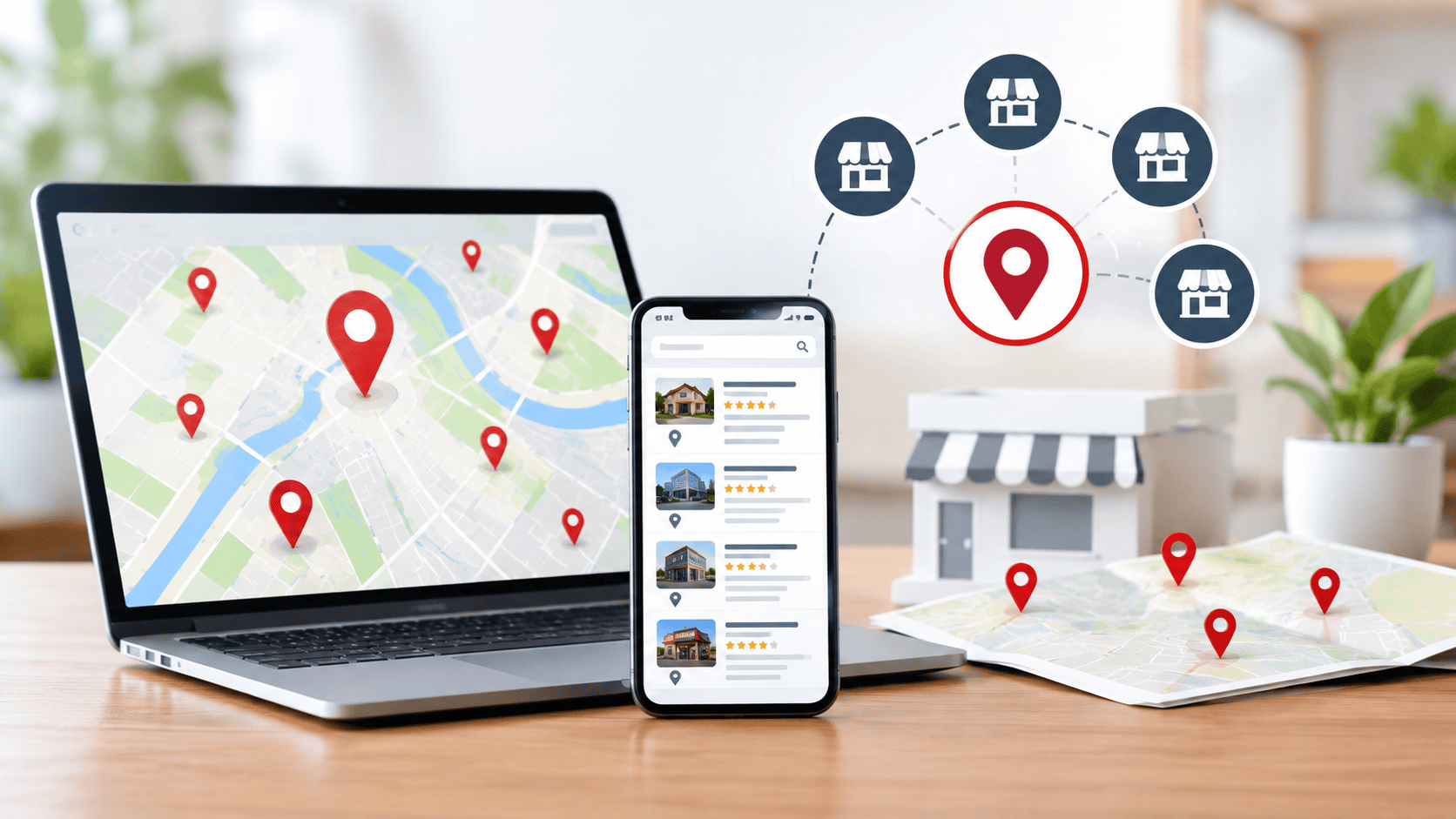
When prospective customers are looking for a business nearby, they usually want to take action. A business may be found on Google, its website or profile checked, and a decision made within minutes to call, visit, or buy. Local SEO can make a real difference in any business.
Table of Contents
Most small businesses just create their online listings and website pages and leave them as it is. It is important to continually monitor local search. When a customer searches for local businesses, they look for accurate details, useful website content relevant to their specific area, and a trustworthy online presence.
Looking for a local SEO guide to 2026 that can help you improve calls, website visitors, in-person visits, and/or potential customers? Check out this article!
The AEO Page Analyzer was built for exactly this purpose.
Objective:
The online success of many businesses relies on local search visibility. This article takes you through the key parts of local SEO, an essential practice.
We'll explore the basics of local SEO and how search engines handle local queries. We will also take you through local SEO ranking factors. Along the way, we'll cover what local SEO services involve, the mistakes that hold businesses back, and how to build a plan you can keep up with.
Key takeaways
Local SEO aims at customers near you, not traffic from everywhere.
Google weighs relevance, distance, and prominence, and many signals feed into them.
- Steady work on your profile,
- website, reviews, and links
- beats one big cleanup.
What Is Local SEO?
Local SEO is how you make your business show up when someone searches for what you sell in a specific area. Sometimes the search names a town. Sometimes it says "near me." Plenty of times it names nothing, and Google works out the location from the phone.
Regular SEO chases topics for a broad audience. Local SEO is about a small circle of people who can realistically become customers. If a roofing company pulls 10,000 visits a month from readers three states away, nothing's been won. A dozen calls from homeowners nearby is a good week.
How Local Search Works
According to Google, results are based on three things: relevance, proximity, and popularity. A listing’s relevance refers to how fitting your listing is to the customer’s search. Distance indicates the extent of separation from the searcher. Prominence signifies how recognized and reliable you appear based on reviews, links, and mentions around the web.
You can't move your office, but you can certainly work on the rest. Your Google Business Profile allows Google to know where you are and what you do. Credibility is proven through your website. Reviews indicate how customers feel and when. Local citations refer to your name, address, and phone number on other sites that cross-check it on Google. Links and mentions from local sources, like a chamber of commerce or a regional news site, add trust.
No one knows exactly the weight these are given – not even Google, and it varies by industry and by search. When interpreting these signals, don’t think of them as a formula. Think of them as signals that pull in the same direction. The location of the searcher can impact the results, so checking your own ranking from your desk isn’t quite as revealing as you may think.
7 Core Elements of a Strong Local SEO Strategy
1. Google Business Profile Optimization
For many searches, your profile is what people see first. They glance at the photos, stars, hours, and the call button, then decide. The primary category matters most, and it's often set carelessly. If yours says "contractor" and you want roofing calls, fix that today. Our Google Business Profile optimization service goes into the rest.
2. Location-Focused Website Pages
Google needs evidence that you really work in the places you claim. A page for each main service and area supplies it. Write about the place itself: jobs you've done there, quirks of local buildings, landmarks customers know. Pick your best-paying town and get that page right before you copy it anywhere else.
3. Local Keyword Research
Customers don't talk like your trade does. You say "water heater replacement." They type "no hot water." Local keyword research finds those phrases, plus the town names that travel with them. Open Search Console, sort queries by impressions, and write down anything you wouldn't have guessed.
4. Consistent Business Information and Citations
Citations are your details on other sites: Yelp, Apple Maps, and industry directories. When they disagree, Google trusts you a little less. Search your phone number in quotation marks and see what comes back. Fix every old address or number you find.
5. Customer Reviews and Reputation
Reviews help rankings, but they matter even more at the moment a customer picks who to call. Recent ones count for more than old ones. Ask after each job while it's fresh, send a direct link, and answer every review, the angry ones included.
6. Local Content and On-Page Optimization
Your titles, headings, and copy should be aligned on the service and the place. Next, provide content that would only matter to locals: perhaps a project in a named neighborhood or how permits work in your city. What about answers to questions your phone rings with every week? It is also when your page is fast on mobile that technical SEO comes into play.
7. Local Link Building and Authority
A link from a local organization tells Google you're part of the community. Think chambers, sponsored teams, suppliers, and local blogs. Ten solid ones beat a hundred directory links nobody visits. Start by asking people you already work with. When you need it done at scale, our link building services can take it on.
What Do Local SEO Services Include?
Typically, a reputable local SEO service will conduct an audit of your profile, website, citations, reviews, and competitors. The process then continues with citation building, on-page changes, local content, review support, and on-page local link building. Making it all come together on a monthly basis.
Before signing, when comparing agencies, request a sample report from them. It should display not just keyword positions but also calls, directions requests, and form fills. Inquire as to who performs the manual work and what the first three months look like. And treat any ranking guarantee as a red flag.
How People Actually Search for Local Businesses
Nobody types a perfect keyword. A plumber in Baltimore who wants more calls might search "plumber SEO services near me" over lunch, scroll for a minute, then try again with different words. A homeowner with a burst pipe does the same with "emergency plumber near me."
Google reads both searches the same way. Where is this person, and which business nearby looks trustworthy? That's why your profile and service pages need to say plainly what you do and where you do it. You don't have to cram "near me" into your copy.
The same goes if you're a Maryland business looking for help yourself. A search like "local SEO services Maryland" should lead you to an agency that clearly shows who it works with and where.
If you'd like a different heading, here are two alternatives:
- How Customers Search for Local Services
- What Local Searchers Type Into Google
Common Local SEO Mistakes to Avoid
Repeating the city name in every heading and sentence. It reads badly and doesn't help.
Publishing dozens of near-identical location pages. A handful written with care do far more.
Updating your address or phone number on your website and nowhere else. Old details can sit in directories for years.
Ignoring reviews, especially the unhappy ones.
Treating your Google Business Profile as the whole strategy. It leans on your website, reviews, and links, and it's only as strong as they are.
Curious where your business stands in local search? Contact Auxilium Technology for a local SEO audit, and we'll show you what to fix first.
How to Build a Local Search Optimization Strategy
The framework is Audit → Research → Optimize → Build Authority → Monitor → Improve.
Start with an audit so you know what's actually broken. Research the keywords, service areas, and competitors that matter. Optimize your profile, key pages, and listings. Build authority through reviews, mentions, and links, which takes months. Monitor calls, direction requests, and local rankings monthly. Then improve: do more of what's working, drop what isn't, and go around again.
When Should a Business Consider Professional Local SEO Services?
It is possible for one quiet market location to carry out the basics in-house. If you find that a few competitors are dominating the map results, it makes sense to seek help. Similarly, if you run multiple locations and need consistency (franchise SEO is its own challenge), you’ll likely want help. Also, if your visibility is poor compared to your efforts, it’s a good case for getting external help. It is also suitable for companies whose previous SEO results have been erratic, or they simply do not have the time to stay with it.
Nobody controls Google's results, so be wary of big promises. What a good partner gives you is a clear plan and honest reporting.
Conclusion
Local search optimization isn't one task you finish. Business relevance is based on the collaboration of your Google Business Profile, website, reviews, citations, content, and links; they all need ongoing attention.
If you would like to see how your local presence is, then a local audit from Auxilium Technology will show you and suggest what to fix first. You may also want to check out our wider search engine optimization strategy or contact us when you’re ready.